

Have you ever wondered why so many people live near rivers, lakes, or oceans? It’s something we often notice — cities built along coasts, villages near rivers, and houses with a lake view. It’s not just about the beauty or peace water brings. There’s actually a deep mix of history, survival needs, culture, and economy behind this human choice. Let’s explore it in simple words.
The Beginning of Civilization
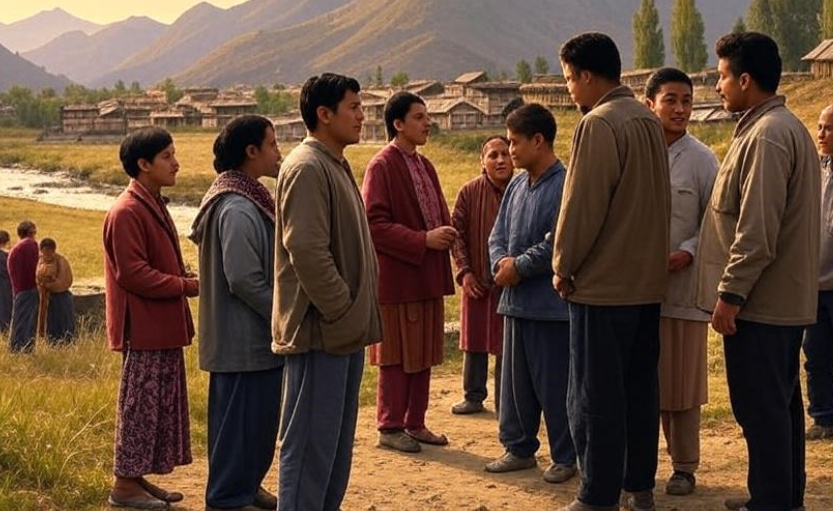
If we travel back thousands of years in history, the first human civilizations all started near water bodies. The Egyptians built their lives around the Nile River. The Mesopotamians flourished between the Tigris and Euphrates. Ancient India grew near the Indus River, and the Chinese settled around the Yellow River.
But why? Because water was life. Literally. It helped them grow food, stay clean, and travel easily. Without water, no crops could grow. Without crops, no civilization could survive. Simple as that.
Water as a Source of Food 🐟
One big reason people love living near water is food. Rivers, lakes, and seas are full of life — fish, crabs, seaweed, and many other things that can be eaten. Fishing has always been one of the oldest human activities.
Even today, millions of people depend on fishing for their livelihood. Think about places like Norway, Japan, or Bangladesh. Their culture and economy are deeply connected with water-based food sources.
Here’s a quick look:
| Type of Water Body | Main Food Source | Examples of Countries |
|---|---|---|
| River | Freshwater fish, crabs | India, Egypt |
| Lake | Trout, perch, tilapia | USA, Canada |
| Sea/Ocean | Tuna, salmon, shrimp | Japan, Norway, Chile |
People didn’t just live near water for survival — they also learned to trade these resources. That leads to our next point.
Trade and Transportation 🚢
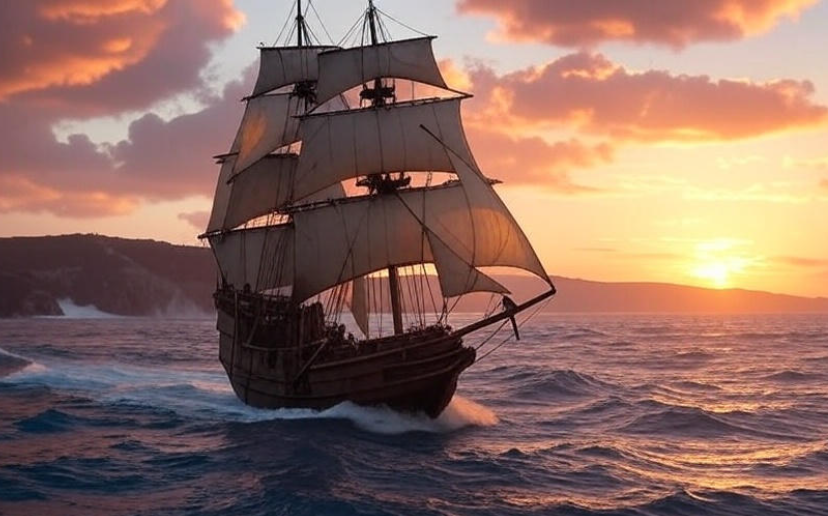
Before cars, planes, or trains, people used water to travel. Rivers and oceans worked like natural highways. Goods could move faster and easier through boats than over mountains or forests.
This is why big cities such as London (on the River Thames), New York (on the Atlantic Ocean), and Shanghai (on the Yangtze River) became global trade centers.
Even today, 90% of global trade happens through sea routes. Imagine that — most of what you buy and use has traveled across oceans before reaching you.
So, living near water wasn’t just a choice; it was an opportunity. It meant access to trade, jobs, and prosperity.
Fertile Lands and Farming 🌾
Water makes the surrounding land rich and fertile. When rivers flood, they leave behind minerals and nutrients in the soil — perfect for growing crops. That’s why farmers love river valleys.
Let’s compare some famous fertile regions:
| River Valley | Region | Main Crops |
|---|---|---|
| Nile River | Egypt | Wheat, cotton |
| Indus River | Pakistan | Rice, sugarcane |
| Ganges River | India | Jute, rice |
| Mississippi River | USA | Corn, soybeans |
These regions have been feeding millions for centuries. So, people not only lived near water — they built their entire livelihoods around it.
Access to Fresh Water 💧
Water isn’t just for farming or fishing — it’s for drinking and daily living. We need water to cook, clean, and stay healthy. Living near a clean water source meant less time spent searching or traveling for it.
In the past, when there were no pipelines, this was essential. Villages always formed around wells, springs, or rivers. Even now, modern cities depend on nearby water sources for supply.
For example:
-
Karachi gets water from the Indus River.
-
Cairo depends on the Nile.
-
Los Angeles sources from nearby reservoirs.
Without nearby water, large populations simply can’t exist.
Beauty and Peace of Water 🌅
Okay, let’s be honest — water has something magical about it. The sound of waves, the reflection of light, and the feeling of calmness it brings are hard to explain but easy to feel.
That’s why so many people prefer living by the coast or a lake, even if it costs more. It’s not just a lifestyle choice; it’s emotional. Water gives us peace and inspiration. Artists, writers, and thinkers have always felt more creative near water.
People say “ocean therapy” for a reason. 😊
Economic Opportunities 💼
Living near water means more job options. Ports, fisheries, tourism, shipping companies, hotels, and restaurants — all exist because of water.
For instance:
-
Dubai grew from a small fishing village into a global trade hub because of its coastal location.
-
Singapore became one of the richest countries thanks to its port.
-
Venice turned its canals into a tourism treasure.
So yes, water creates jobs, directly and indirectly.
| Industry | Dependent on Water | Examples |
|---|---|---|
| Fishing | Yes | Norway, Japan |
| Shipping | Yes | Singapore, Rotterdam |
| Tourism | Yes | Maldives, Venice |
| Agriculture | Yes | Egypt, Pakistan |
Climate and Comfort ☀️
Water helps control temperature. Areas near oceans or big lakes usually have moderate climates — not too hot, not too cold.
That’s why coastal cities are comfortable to live in. For example, people in Karachi or Los Angeles enjoy milder weather compared to inland desert areas.
This natural cooling effect makes water-side living pleasant and healthy. It also supports diverse plant and animal life, which makes the region more attractive.
Cultural and Religious Importance 🕌
Water isn’t just physical — it’s spiritual for many cultures.
In Hinduism, the Ganges River is considered holy. In Islam, water is a symbol of purity, and it’s used for ablution before prayers. In Christianity, baptism is done with water as a sign of renewal.
So for many people, living near water isn’t only practical — it connects them to their faith and traditions.
Even in modern society, festivals and ceremonies are held near rivers or lakes. Water unites people emotionally.
Tourism and Recreation 🏖️
Let’s face it — everyone loves a beach vacation or a lake picnic. Water bodies attract tourists, and tourism brings money.
Hotels, resorts, restaurants, boat rides — all depend on being near water. Many people live close to these places to work in tourism or just to enjoy that lifestyle.
For example:
-
Maldives depends almost entirely on its ocean tourism.
-
Switzerland’s lakes attract millions of visitors yearly.
-
Thailand’s beaches support thousands of locals’ incomes.
Water doesn’t just support survival — it supports dreams and fun too. 😄
-
🌐 You might enjoy: How Countries Got Their Borders Explained Clearly
Safety, Trade, and Defense in History ⚓
In old times, water also worked as a natural barrier for protection. Kingdoms built their capitals near water because rivers and seas made it harder for enemies to attack.
Take the example of Constantinople (modern-day Istanbul). It was surrounded by water on three sides — making it almost impossible to conquer for centuries.
Also, naval power meant global power. Countries with strong ports and fleets (like Britain and Spain) dominated world trade and politics.
So, living near water wasn’t just survival — it was strategy.

Urbanization and Growth 🌆
Fast forward to modern times, and you’ll notice that most major cities — New York, Tokyo, Sydney, Karachi, Mumbai, London — are all near water.
It’s no coincidence. These cities grew because of trade, transport, and easy access to resources. Over time, industries developed, ports expanded, and people moved in for jobs.
This urban growth cycle keeps repeating. Water brings people → people bring businesses → businesses bring cities.
Challenges of Living Near Water 🌊⚠️
Of course, it’s not all perfect. Living near water also brings challenges.
Let’s look at some common ones:
| Challenge | Description |
|---|---|
| Flooding | Rivers and seas can overflow and destroy homes |
| Erosion | Water slowly wears away land and property |
| Pollution | Industrial waste can make water unsafe |
| Rising Sea Levels | Climate change causes coasts to shrink |
| Storms | Hurricanes and tsunamis threaten lives |
Even though people face these problems, they still choose to stay near water because the benefits often outweigh the risks.
Governments now use dams, sea walls, and flood control systems to reduce dangers.
Psychological and Emotional Connection ❤️
Humans naturally feel connected to water. Scientists say we find comfort in it because our bodies are made mostly of water. The sight and sound of water reduce stress, lower blood pressure, and boost happiness.
That’s why many people dream of owning a beach house or retiring near a lake. It feels peaceful and safe.
There’s even a theory called the “Blue Mind Theory,” which says that being near water improves creativity and emotional health. Isn’t that fascinating?
Environmental Benefits 🌿
Water bodies support biodiversity — birds, fish, plants, and even microorganisms. People who live near these ecosystems often benefit from cleaner air, cooler temperatures, and a better environment.
Plus, wetlands and mangroves protect coastal areas from storms and floods. So, humans depend on these systems, and they depend on us to keep them clean.
How Modern Technology Helps People Live Near Water
In today’s world, technology has made water-side living safer and smarter.
-
Flood prediction systems alert people early.
-
Water purification plants make water drinkable.
-
Smart city planning ensures sustainable development around rivers and coasts.
We’ve learned from nature — not to fight water, but to live with it wisely. 🌍
Final Thoughts
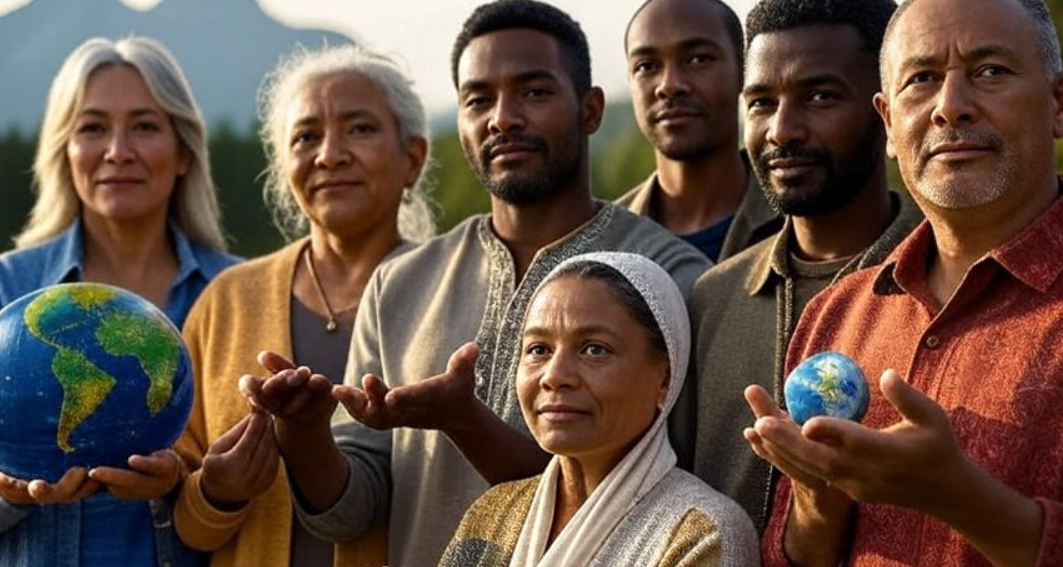
So, why do people live near water bodies? Because it gives them everything — life, food, transport, jobs, beauty, peace, and connection.
From the first humans to modern city dwellers, water has always been the heartbeat of human existence. Even with risks like flooding or pollution, we keep returning to it — because, deep down, we know we can’t live without it.
Water is life. It always has been. 💧
FAQs
1. Why are most big cities built near water?
Because water made trade, travel, and food supply easier. Over time, those areas developed into large economic centers.
2. Is it safe to live near rivers or oceans?
It depends. With modern flood control systems and urban planning, it’s much safer now, but natural disasters can still be a risk.
3. What are the main advantages of living near water?
Access to food, jobs, transportation, beautiful scenery, and a better climate are some major benefits.
4. Why do people feel relaxed near water?
The sound and view of water naturally calm the human brain. It’s a psychological effect proven by many studies.
5. Can living near water affect health?
Yes, positively! It can lower stress, encourage physical activity, and improve overall happiness.
6. What problems do people face near water?
Flooding, pollution, and rising sea levels are the biggest issues, especially in coastal regions.
External Source:
You can learn more about the connection between humans and water from National Geographic’s article on Human Settlements 🌍